
Exploring the Future of Meaningful Travel
Why travelers are choosing smaller groups, deeper connections and more intentional experiences.
The world is changing, and so is the way we travel.
Today’s travelers are not simply asking, “Where should I go next?” They are thinking more carefully about how they want a journey to feel, what they hope to learn, and how travel might help them connect more deeply with a destination, the people they are traveling with, and themselves.
As a result, the future of travel is becoming less about checking places off a list and more about choosing experiences that feel personal, meaningful, and worth remembering.
Travel with greater purpose
For many people, travel is no longer just an escape from everyday life. It is an opportunity to gain perspective, experience another culture, learn something new, and return home changed in some small but meaningful way.
That might mean learning to prepare a regional dish with a local cook, visiting a family-owned vineyard, exploring a neighborhood with someone who understands its history, or spending time in a place where nature and culture remain closely connected.
Travelers are increasingly prioritizing cultural immersion, educational experiences, wellness, nature, and meaningful human connection. These same themes were at the heart of the travel trends overview I recently created, which defined meaningful travel as travel that encourages understanding, connection, education, perspective, and transformation.
The destination still matters, of course. But so does the way we experience it.
The most memorable journeys are often not defined by how many landmarks we visit, but by the moments that help us understand a place more deeply.
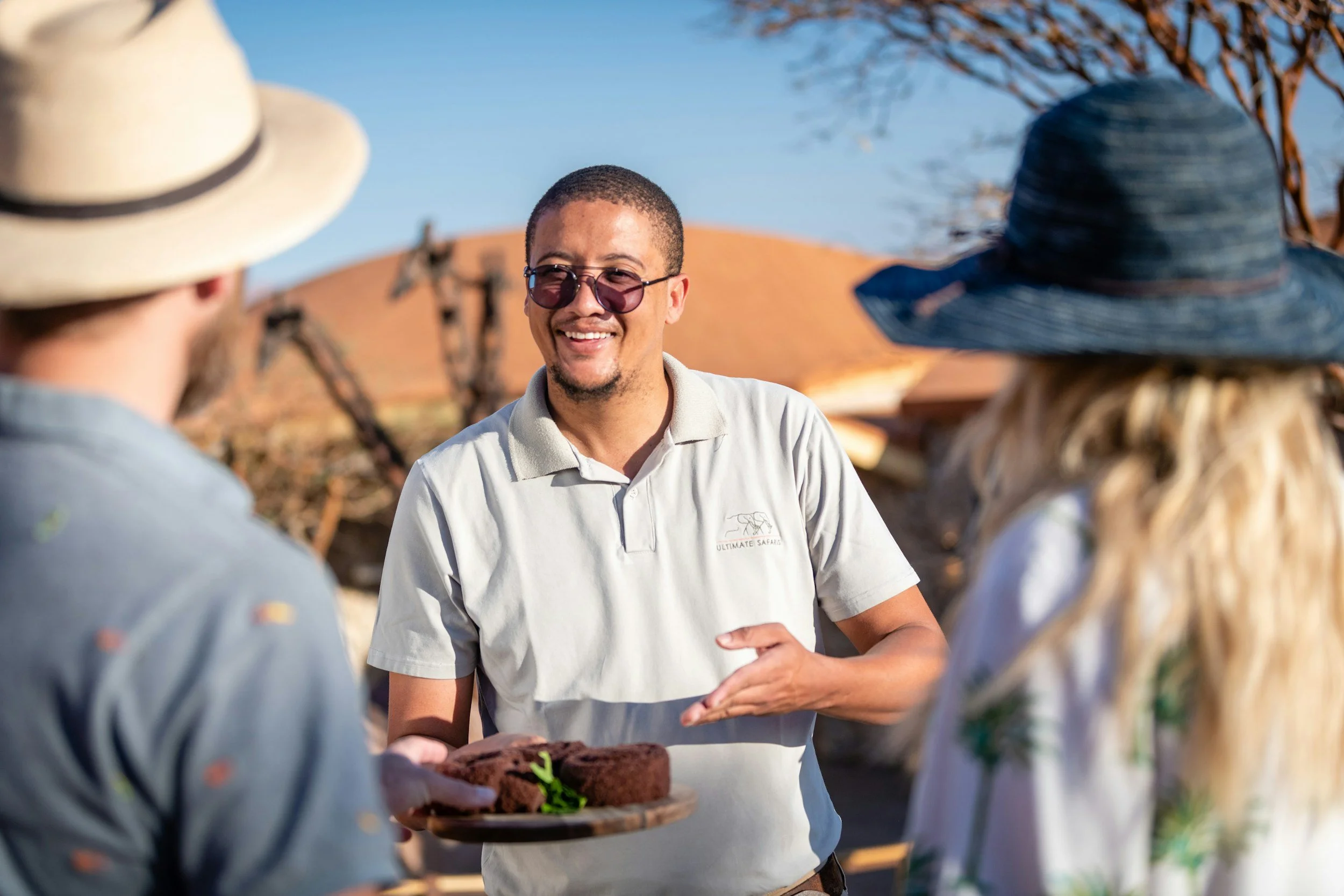
The most memorable journeys are often not defined by how many landmarks we visit, but by the moments that help us understand a place more deeply.
Smaller groups, more personal experiences
Many travelers appreciate the ease of an organized journey but hesitate when they hear the words “group tour.”
They may picture a large crowd moving through a destination in a long line behind a guide holding a flag. Couples and families may worry that joining a tour means giving up their privacy, flexibility, or the intimacy of experiencing a destination together.
That is one reason smaller-group travel is becoming increasingly appealing.
A thoughtfully designed small-group journey can provide the structure and reassurance of guided travel without making travelers feel lost in the crowd. Smaller groups can often move more easily through a destination, allow for more meaningful interaction with guides and local residents, and create opportunities that may be difficult for a much larger group to enjoy.
For the right traveler, it offers a valuable balance: expert support, seamless logistics, and shared experiences, while still preserving a sense of independence and personal space.
Small-group travel can be especially well suited for travelers who want to see and understand more without having to manage every transfer, reservation, and logistical detail themselves.
It is not simply about traveling with fewer people. It is about creating an experience that feels more personal, connected, and thoughtfully paced.
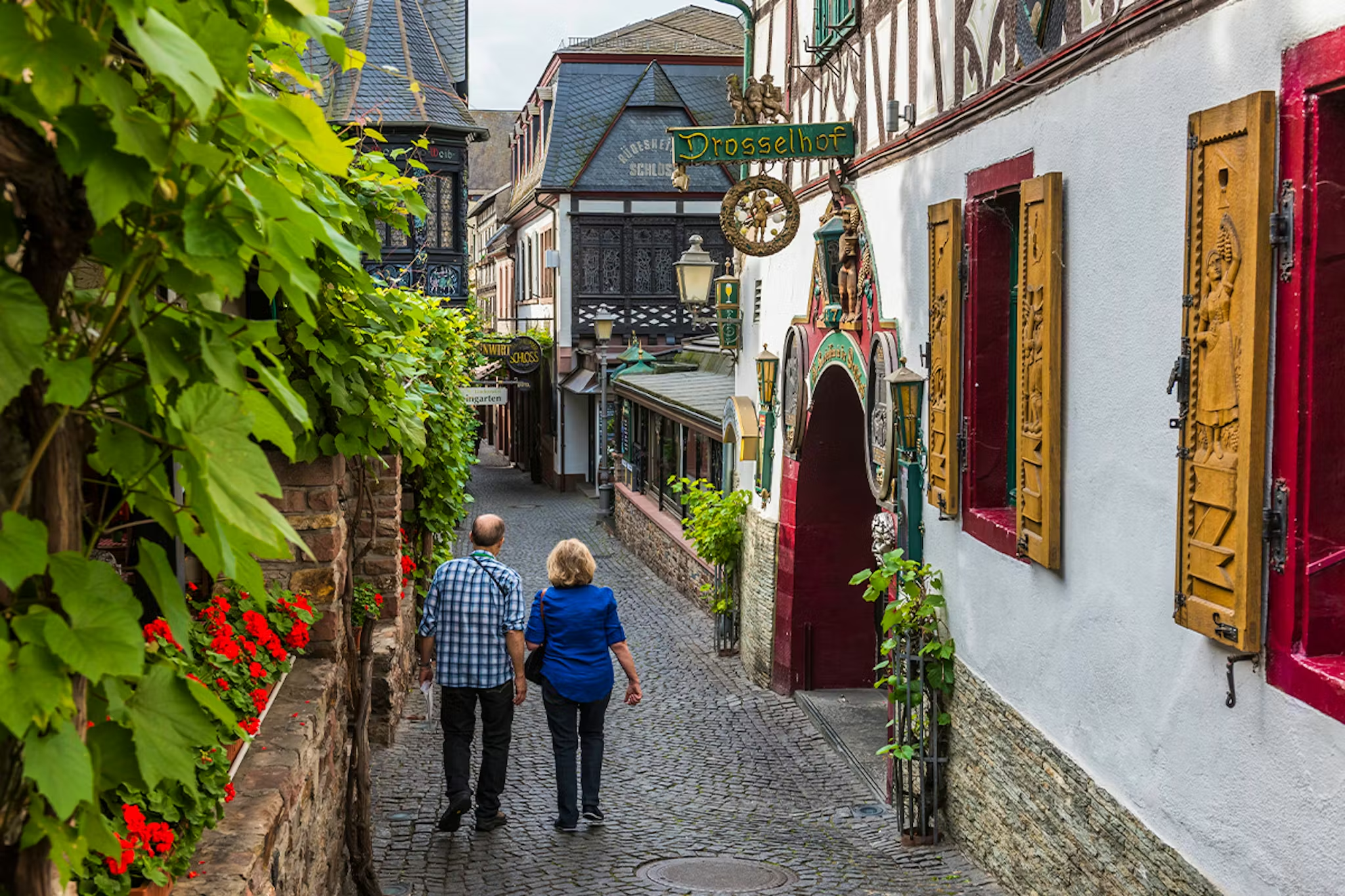
It is not simply about traveling with fewer people. It is about creating an experience that feels more personal, connected, and thoughtfully paced.
Looking beyond the obvious
Iconic destinations will always have appeal, but more travelers are becoming conscious of crowds, overtourism, and the exhausting pace that can come with trying to see too much in too little time.
Instead of visiting only the most recognizable cities and landmarks, many are seeking destinations that offer cultural depth, natural beauty, and a more relaxed rhythm.
This may mean pairing a major European city with time in a smaller town, traveling during the shoulder season, or exploring a destination such as the Azores, where volcanic landscapes, food, wine, nature, and Portuguese culture come together in a slower-paced setting.
Travelers are not necessarily trying to avoid famous places. They are trying to experience them more thoughtfully.
Rather than rushing through several destinations, they may choose to stay longer in one region, spend more time with a knowledgeable guide, or leave enough room in the itinerary to wander, rest, and enjoy an unexpected moment.
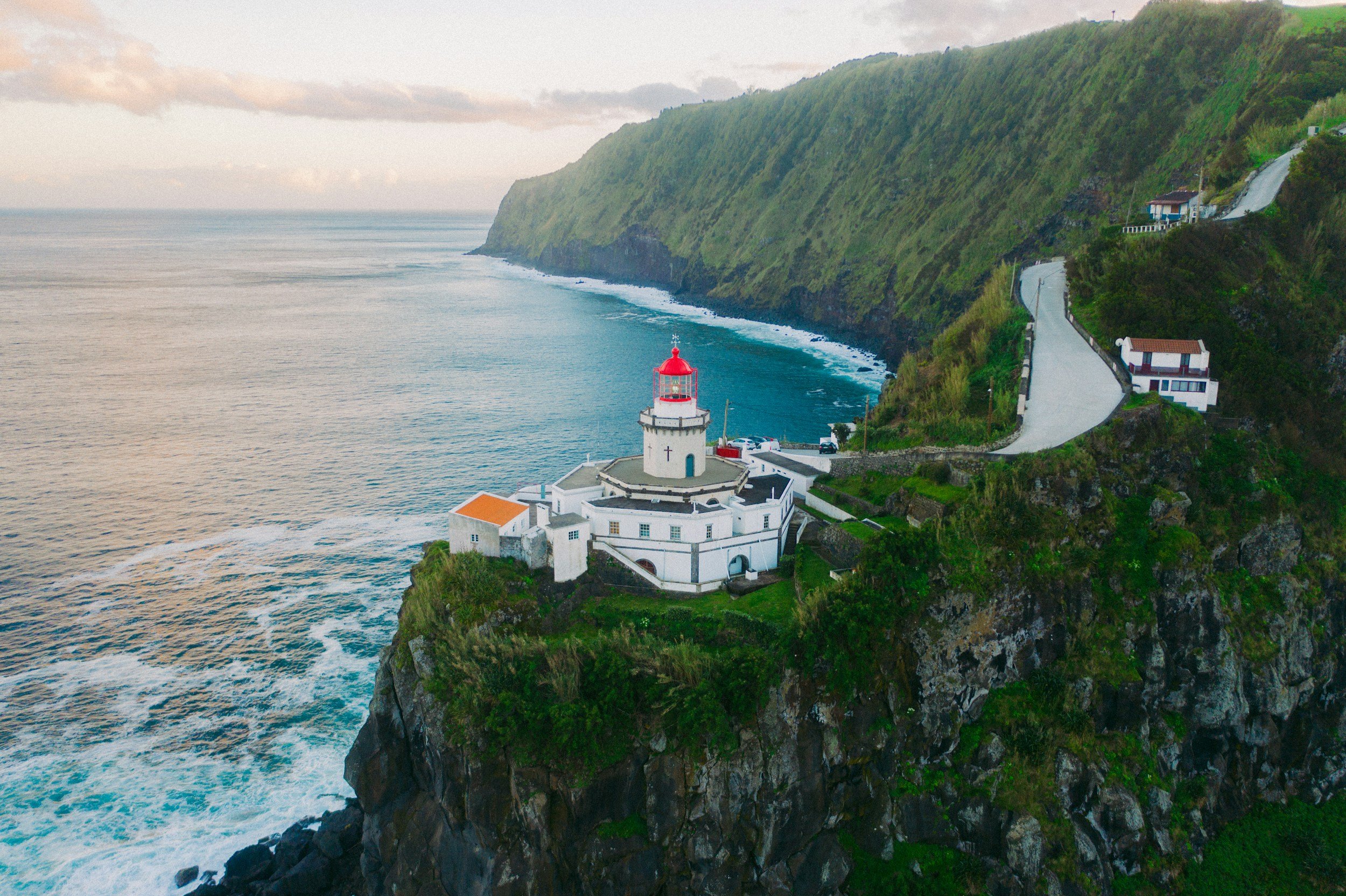
Sometimes, a richer trip is not the one that includes the most. It is the one that gives you enough time to truly notice where you are.
Technology can help, but human expertise still matters
Artificial intelligence and online planning tools have made it easier than ever to research destinations, compare accommodations, and generate sample itineraries.
But more information does not always make travel planning easier.
Travelers still have to determine which recommendations are reliable, which experiences match their interests, and whether an itinerary will actually feel enjoyable once transportation, timing, crowds, and pacing are considered.
Technology can provide options. A trusted travel advisor helps turn those options into a cohesive journey.
Human expertise also becomes especially important when plans change. Flight disruptions, unexpected closures, supplier issues, and international logistics require more than a search result. They require judgment, advocacy, and someone who understands the trip as a whole.
The future of travel planning is not technology versus human expertise. It is using technology thoughtfully while preserving the context, personalization, and care that travelers continue to value.
Choosing the right way to travel
There is no single travel style that is right for everyone.
Some travelers want the freedom of a completely independent itinerary. Others prefer private touring, a river cruise, an expedition, or the connection and ease of a small-group experience.
The most important question is not simply, “Where do you want to go?”
It is, “How do you want the journey to feel?”
Do you want energetic days filled with exploration or a slower pace with time to linger? Do you want to manage the details yourself, or would you rather have the logistics handled? Are you most excited by food, history, nature, wellness, cultural interaction, or a combination of all of them?
Those answers matter because choosing the wrong travel style can change the entire experience.
My role is to help travelers understand their options, recognize the differences, and choose the journey that best reflects their priorities.
Because the goal is not simply to book another trip.
It is to create an experience that feels meaningful, personal, and worth remembering.
Let’s design a journey that reflects not only where you want to go, but how you want to experience it.
